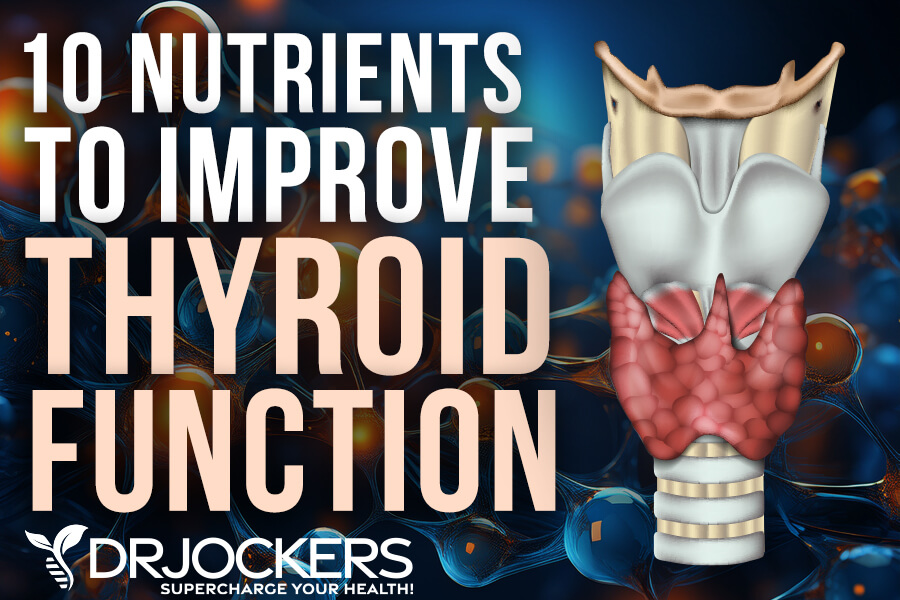
Optimizing Thyroid Gland Health: Your Guide to Essential Nutrition
The thyroid gland, a small, butterfly-shaped organ nestled at the base of your neck, might be tiny, but its impact on your overall health is monumental. Far from being a mere accessory, this powerhouse gland acts as a master regulator for nearly every system in your body. It's responsible for orchestrating your metabolism, governing your body temperature, producing crucial hormones like T3 (triiodothyronine) and T4 (thyroxine), and even influencing your energy levels and mental well-being. Given its extensive reach, maintaining a healthy thyroid is absolutely vital for ensuring your bodily processes run smoothly and harmoniously. Unfortunately, this critical gland is also susceptible to various dysfunctions. Factors ranging from autoimmune diseases such as diabetes or lupus, a family history of thyroid issues, or certain life stages like early pregnancy, hormonal shifts during gestation or menopause, can all affect its performance. Even certain medications, radiation therapies, or simply a deficiency in key nutrients can compromise its function, leading to conditions like hypothyroidism (underactive thyroid) or hyperthyroidism (overactive thyroid). The global scale of this issue is striking: the World Health Organization (WHO) estimates that around 750 million people worldwide grapple with some form of thyroid disorder, with a staggering 60% remaining unaware of their condition. In many regions, issues like hypothyroidism, hyperthyroidism, and thyroid nodules are alarmingly common. The good news is that understanding the role of proper nutrition, including essential **vitaminas para la tiroides** (vitamins for the thyroid), can be a powerful tool in supporting and optimizing its function.Understanding the Thyroid Gland and Its Challenges
At its core, the thyroid gland's primary role is to produce and release thyroid hormones, mainly T3 and T4, into your bloodstream. These hormones are then transported throughout your body, influencing everything from your metabolic rate and body temperature to the proper functioning of your brain, heart, muscles, and other vital organs. A delicate balance of these hormones is indispensable for sustaining life and health. However, when this balance is disrupted, the repercussions can be significant. An imbalance can trigger a cascade of metabolic problems, leading to a host of uncomfortable and often debilitating symptoms. For instance, an underactive thyroid (hypothyroidism) might manifest as profound fatigue, excessive sleepiness, unexplained weight gain, sensitivity to cold, hair loss, and even depression. Conversely, an overactive thyroid (hyperthyroidism) can lead to anxiety, rapid heartbeat, weight loss despite increased appetite, and tremors. It's also important to note that thyroid problems disproportionately affect women, being four times more prevalent than in men, particularly during pivotal life stages such as adolescence, pregnancy, and menopause. These periods of significant hormonal flux often place additional demands on the thyroid, making it more vulnerable to dysfunction. Addressing these challenges often involves a multi-faceted approach, and the role of specific nutrients cannot be overstated. For a deeper dive into how nutrition impacts hormone balance, read our related article: Thyroid Health: Essential Nutrients for Metabolism and Hormone Balance.The Power of Nutrition: Essential Vitamins and Minerals for Thyroid Health
Numerous studies highlight that a well-balanced diet can profoundly influence thyroid health. Furthermore, specific nutritional strategies can be incredibly beneficial in managing existing thyroid pathologies, whether it's hypothyroidism or hyperthyroidism. To maintain a robust thyroid function and support overall well-being, focusing on certain key vitamins and minerals is crucial. These are the vital **vitaminas para la tiroides** and minerals that act as cofactors, building blocks, and protective agents for this diligent gland.Iodine: The Foundation of Thyroid Hormones
Iodine is arguably the most critical mineral for thyroid function, as it is an essential component of both T3 and T4 hormones. Without sufficient iodine, the thyroid simply cannot produce these vital hormones.- Why it's essential: Directly involved in the synthesis of thyroid hormones.
- Food sources: Iodized salt, seafood (cod, tuna), seaweed, dairy products, eggs.
- Considerations: While crucial, both deficiency and excessive intake can impair thyroid function. It's best to obtain iodine from food sources rather than high-dose supplements unless advised by a doctor.
Selenium: The Thyroid's Protector and Activator
Selenium is a powerful antioxidant that protects the thyroid gland from oxidative damage. It also plays a pivotal role in converting the inactive T4 hormone into its active form, T3, which is then utilized by the body's cells.- Why it's essential: Antioxidant protection, T4 to T3 conversion.
- Food sources: Brazil nuts (a few nuts provide the daily requirement), tuna, sardines, eggs, legumes, sunflower seeds.
Zinc: A Multifaceted Helper
Zinc is involved in numerous enzymatic processes, including those essential for thyroid hormone production and conversion. A zinc deficiency can lead to decreased T3 and T4 levels and impaired thyroid function.- Why it's essential: Supports thyroid hormone production and conversion.
- Food sources: Oysters, beef, chicken, fortified cereals, beans, nuts, pumpkin seeds.
Vitamin D: The Immune System Modulator
Often considered more of a hormone than a vitamin, Vitamin D plays a crucial role in immune system regulation. Deficiencies are common in individuals with autoimmune thyroid conditions like Hashimoto's thyroiditis, suggesting a link between adequate Vitamin D levels and reduced autoimmune activity.- Why it's essential: Modulates immune function, often low in autoimmune thyroid conditions.
- Food sources: Fatty fish (salmon, mackerel), fortified dairy and cereals, egg yolks. Sun exposure is the primary source.
B Vitamins (Especially B12): Energy and Nerve Support
B vitamins are vital for energy production and neurological function. Individuals with hypothyroidism often report fatigue and can have a higher incidence of B12 deficiency, which can exacerbate symptoms like tiredness and brain fog.- Why it's essential: Energy metabolism, nerve health, can alleviate fatigue often associated with hypothyroidism.
- Food sources: Meat, poultry, fish, eggs, dairy, leafy green vegetables, whole grains (for various B vitamins).
Iron: Preventing Anemia and Aiding Hormone Production
Iron is essential for the activity of an enzyme called thyroid peroxidase (TPO), which is crucial for thyroid hormone synthesis. Iron deficiency anemia is also commonly observed in hypothyroid patients and can worsen symptoms like fatigue and weakness.- Why it's essential: Supports thyroid hormone production, prevents anemia which can mimic or worsen thyroid symptoms.
- Food sources: Red meat, poultry, fish, lentils, spinach, fortified cereals.
Practical Dietary Strategies for Optimal Thyroid Function
Beyond individual nutrients, adopting a holistic approach to your diet is paramount. Focusing on whole, unprocessed foods is the cornerstone of supporting your thyroid.Embrace a Nutrient-Dense Diet:
- Fruits and Vegetables: Rich in antioxidants and fiber, these help reduce inflammation and support overall cellular health. Aim for a wide variety of colors.
- Lean Proteins: Essential for building and repairing tissues, including thyroid tissue, and for synthesizing hormones. Include sources like fish, chicken, eggs, and legumes.
- Healthy Fats: Found in avocados, nuts, seeds, and olive oil, these fats are crucial for hormone production and reducing inflammation.
- Whole Grains: Provide sustained energy and fiber, supporting digestive health which is often linked to immune function.
Mindful Eating and Lifestyle Habits:
- Hydration: Drinking plenty of water is vital for all bodily functions, including metabolism and nutrient transport.
- Limit Processed Foods and Sugar: These can contribute to inflammation and disrupt blood sugar balance, potentially impacting thyroid function.
- Moderate Goitrogen Intake (if sensitive): Foods like raw broccoli, cabbage, and kale contain goitrogens, which can interfere with iodine uptake. For most people, a moderate intake of cooked goitrogenic vegetables is perfectly healthy. If you have an existing thyroid condition, discuss this with your doctor or dietitian.
- Stress Management: Chronic stress can negatively impact hormonal balance, including thyroid hormones. Incorporate stress-reducing activities like meditation, yoga, or spending time in nature.