Thyroid Disorders: How Key Nutrients Support Gland Function
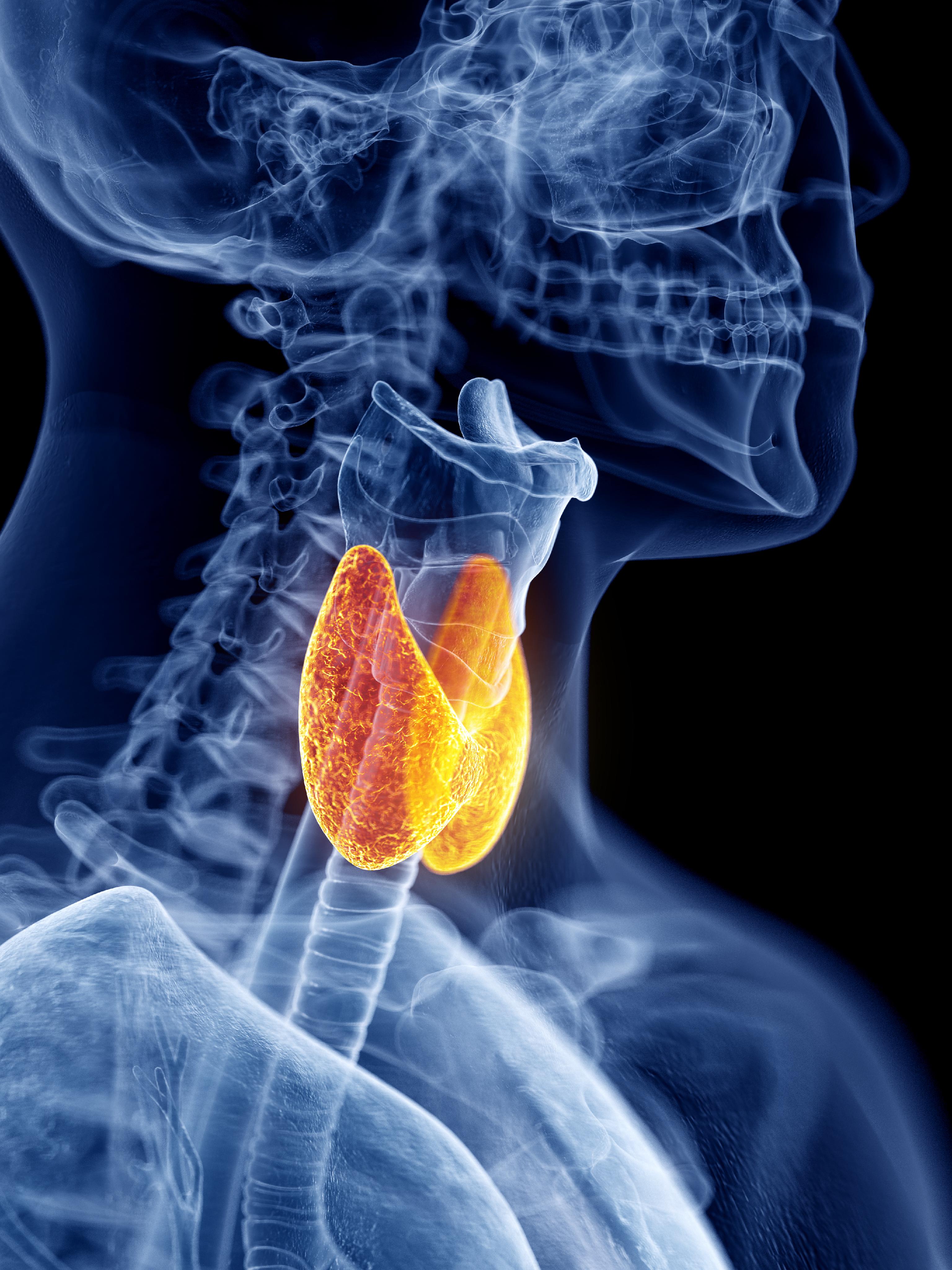
The thyroid gland, a small, butterfly-shaped organ nestled at the front of your neck, might be modest in size, but its influence on your overall health is profound. This remarkable gland acts as your body's master regulator, orchestrating crucial functions like metabolism, energy production, and even your mood. It's the engine behind hormone synthesis, temperature control, and ensuring the efficient operation of vital organs from your brain and heart to your muscles.
Given its extensive responsibilities, maintaining a healthy thyroid is paramount for a harmonious and efficient body. However, an increasing number of people worldwide face thyroid dysfunction. While medical treatments are often essential, a growing body of evidence highlights the indispensable role of nutrition in supporting thyroid health. When we talk about "Vitaminas Para La Tiroides," or vitamins and other essential nutrients for the thyroid, we're delving into how specific dietary components can help maintain optimal gland function, prevent disorders, or support recovery when issues arise.
The Thyroid: A Master Regulator of Your Body
At its core, the thyroid gland produces two primary hormones: triiodothyronine (T3) and thyroxine (T4). These hormones are released into your bloodstream and transported to every cell and tissue, acting as messengers that dictate how your body uses energy. They influence your metabolic rate, heart function, digestive health, muscle control, brain development, bone maintenance, and even the health of your skin, hair, and nails. An adequate supply of these hormones is crucial for regulating body temperature, maintaining energy balance, and ensuring proper cognitive function.
When the thyroid produces too much or too little of these hormones, it leads to conditions known as hyperthyroidism and hypothyroidism, respectively. Hypothyroidism, characterized by an underactive thyroid, can manifest as fatigue, weight gain, cold sensitivity, constipation, and hair loss. Conversely, hyperthyroidism, an overactive thyroid, might present with symptoms like sudden weight loss, rapid heartbeat, nervousness, and increased sweating. Both conditions, if left untreated, can have significant impacts on quality of life and long-term health. For a deeper dive into the nutrients that power these vital processes, consider reading our article on Thyroid Health: Essential Nutrients for Metabolism and Hormone Balance.
Understanding Thyroid Dysfunction: Causes and Prevalence
Thyroid disorders are surprisingly common, yet often undiagnosed. The World Health Organization (WHO) estimates that around 750 million people globally suffer from some form of thyroid disorder, with a staggering 60% unaware of their condition. These disorders are not confined to specific demographics but are significantly more prevalent in women, particularly during pivotal life stages such as adolescence, pregnancy, and menopause. Symptoms like extreme fatigue, excessive sleepiness, and hair loss are common indicators often dismissed or attributed to other factors.
Several factors can impair thyroid function. These include autoimmune diseases like diabetes or lupus, a family history of thyroid problems, genetic conditions such as Down syndrome, and significant hormonal changes during pregnancy or menopause. Certain medications, including those with high lithium content or antiarrhythmics, as well as radiation therapy or iodotherapy, can also affect the gland. However, a frequently overlooked yet critical factor is nutrient deficiency. As endocrinologists and nutritionists increasingly emphasize, an imbalanced diet lacking key nutrients can significantly compromise thyroid health, highlighting the importance of understanding the role of Vitaminas Para La Tiroides in prevention and management.
Essential Nutrients for Optimal Thyroid Health
Nourishing your thyroid with the right nutrients is foundational for its proper function. These micronutrients act as cofactors, building blocks, and protective agents in the complex process of hormone production and conversion.
Iodine: The Cornerstone of Thyroid Hormones
Iodine is perhaps the most critical nutrient for the thyroid, as it's an indispensable component of both T3 and T4 hormones. Without sufficient iodine, the thyroid cannot produce these hormones, leading to hypothyroidism and potentially goiter (enlargement of the thyroid gland). While severe iodine deficiency is less common in areas with iodized salt, mild to moderate deficiencies can still impact thyroid function. However, it's crucial to note that excessive iodine intake can also be detrimental, especially for individuals with existing thyroid conditions, potentially exacerbating hyperthyroidism or even inducing hypothyroidism.
- Food Sources: Iodized salt, seaweed (nori, kelp), fish (cod, tuna), dairy products, eggs.
- Practical Tip: Use iodized salt in moderation. If you don't use iodized salt, ensure other iodine sources are part of your diet.
Selenium: The Thyroid's Antioxidant Protector
Selenium is a vital trace mineral that plays a dual role in thyroid health. Firstly, it's essential for the proper functioning of enzymes (deiodinases) that convert inactive T4 into active T3, the form of thyroid hormone primarily used by your body. Secondly, selenium is a powerful antioxidant, protecting the thyroid gland from oxidative damage caused by the production of hydrogen peroxide during hormone synthesis. This protective role is particularly important in autoimmune thyroid conditions like Hashimoto's disease.
- Food Sources: Brazil nuts (just one or two a day can provide your daily needs), tuna, sardines, eggs, legumes, sunflower seeds.
- Practical Tip: Incorporate selenium-rich foods regularly but be mindful of Brazil nuts' potency; moderation is key to avoid selenium toxicity.
Zinc: Crucial for Hormone Synthesis and Conversion
Zinc is another trace mineral essential for thyroid hormone production and metabolism. It’s involved in the synthesis of TSH (Thyroid-Stimulating Hormone), which signals the thyroid to produce T3 and T4. Moreover, like selenium, zinc aids in the conversion of T4 to T3. Zinc deficiency can lead to decreased T3 and TSH levels, contributing to hypothyroid symptoms.
- Food Sources: Oysters, beef, poultry, beans, nuts (cashews, almonds), whole grains.
- Practical Tip: Ensure a varied diet with good protein sources to obtain adequate zinc.
Vitamin D: The Immune Modulator
Often referred to as the "sunshine vitamin," Vitamin D plays a crucial role in immune system regulation, which is particularly relevant for autoimmune thyroid diseases such as Hashimoto's and Graves' disease. Research suggests a strong link between vitamin D deficiency and an increased risk and severity of these autoimmune conditions. Adequate vitamin D levels can help modulate the immune response, potentially reducing inflammation and supporting overall thyroid health.
- Food Sources: Fatty fish (salmon, mackerel), fortified milk and cereals, egg yolks, sun exposure.
- Practical Tip: Regular, safe sun exposure is the best source. Dietary sources and supplementation (under medical guidance) can fill gaps, especially in winter months.
Iron: Preventing Thyroid Dysfunction-Related Anemia
Iron is critical for overall energy production and red blood cell formation. For the thyroid, iron is a cofactor for thyroid peroxidase, an enzyme involved in thyroid hormone synthesis. Iron deficiency, which commonly leads to anemia, can also impair thyroid function and exacerbate symptoms of hypothyroidism, such as fatigue and weakness.
- Food Sources: Red meat, poultry, fish, beans, lentils, spinach, fortified cereals.
- Practical Tip: Combine iron-rich plant-based foods with vitamin C (e.g., bell peppers, oranges) to enhance absorption.
B Vitamins: Energy and Hormone Support
The B vitamin complex, particularly B12, B6, and folate, is vital for various metabolic processes throughout the body, including energy production and nervous system health. Many individuals with hypothyroidism report fatigue, and vitamin B12 deficiency is common among them. B vitamins also play a role in hormone regulation and reducing homocysteine levels, which can be elevated in thyroid disorders.
- Food Sources: Whole grains, lean meats, eggs, dairy, leafy greens, legumes.
- Practical Tip: A balanced diet typically provides sufficient B vitamins, but some, especially vegans/vegetarians, might benefit from B12 supplementation.
Dietary Strategies and Lifestyle Tips for Thyroid Support
Beyond specific nutrients, adopting a holistic approach to diet and lifestyle can significantly contribute to thyroid well-being. This involves not only focusing on what to include but also being mindful of what to limit.
- Balanced and Diverse Diet: Emphasize whole, unprocessed foods. Incorporate a wide variety of fruits, vegetables, lean proteins, and healthy fats to ensure a broad spectrum of micronutrients.
- Mindful of Goitrogens: Certain foods, known as goitrogens, can interfere with thyroid hormone production, especially when consumed raw and in large quantities. These include cruciferous vegetables (broccoli, cauliflower, kale), soy, and millet. For individuals with hypothyroidism, cooking these vegetables can help deactivate goitrogenic compounds, and moderation is key.
- Gut Health: There's a strong connection between gut health and thyroid function, particularly in autoimmune conditions. Supporting a healthy gut microbiome through probiotics (fermented foods) and prebiotics (fiber-rich foods) can be beneficial.
- Stress Management: Chronic stress can negatively impact the endocrine system, including the thyroid. Incorporate stress-reducing practices like yoga, meditation, deep breathing exercises, or spending time in nature.
- Regular Exercise: Physical activity boosts metabolism, reduces stress, and supports overall well-being, all of which indirectly benefit thyroid function.
- Environmental Toxins: Be mindful of exposure to endocrine-disrupting chemicals found in plastics, pesticides, and personal care products.
- Regular Check-ups: If you suspect a thyroid issue or have a family history, regular medical check-ups and blood tests are crucial for early diagnosis and management. Always consult a healthcare professional before making significant dietary changes or starting supplements. For more comprehensive strategies on managing your thyroid health, refer to Optimizing Thyroid Gland Health: Your Guide to Essential Nutrition.
Conclusion
The thyroid gland is a cornerstone of your body's health, and its proper function is deeply intertwined with the nutrients you consume. Understanding the power of "Vitaminas Para La Tiroides" – the essential vitamins and minerals like iodine, selenium, zinc, vitamin D, and iron – is not just about avoiding deficiency; it's about actively supporting a gland that orchestrates countless vital processes. While nutrition provides a powerful supportive role, it's crucial to remember that it complements, not replaces, professional medical advice. By adopting a balanced, nutrient-rich diet and a healthy lifestyle, you can provide your thyroid with the robust support it needs to thrive, contributing significantly to your overall well-being and vitality.